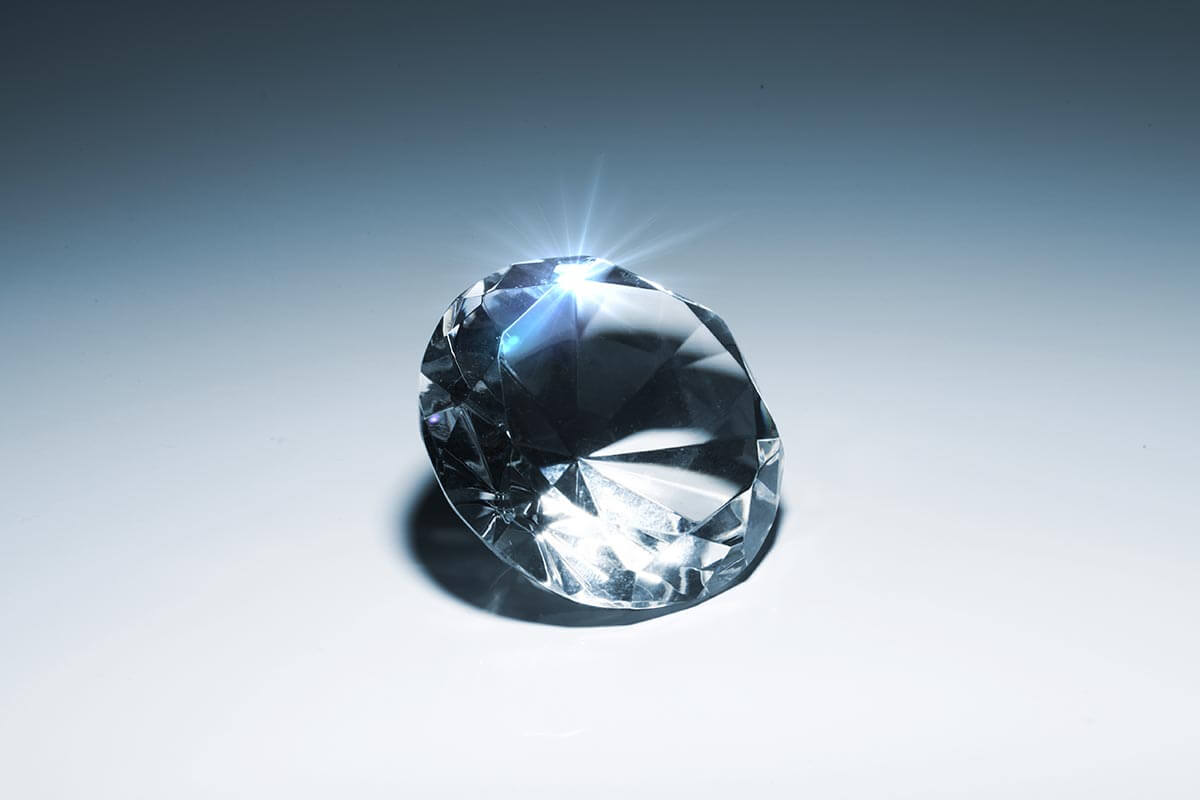


A diamond pendant can look beautiful in a jewellery box yet feel surprisingly different once worn. The stone might sit too high, the chain may place it awkwardly against a neckline, or the setting could turn whenever the wearer moves.
These details matter because a pendant is meant to move naturally with the body. Unlike a ring, which stays relatively fixed on the finger, a necklace shifts throughout the day.
For shoppers considering lab-grown diamond jewellery, understanding how the stone, setting, and chain work together is often more useful than concentrating on carat weight alone.
Table of Contents
Start With the Pendant, Not the Diamond Size
Carat weight measures a diamond’s mass, but it does not tell the whole story about how large the stone appears.
Two diamonds of equal carat weight can have different face-up dimensions. A deeper stone may carry more weight below its visible surface, while another diamond could appear wider when viewed from the front.
This distinction becomes particularly noticeable in solitaire pendants, where the diamond itself is the main design feature.
For daily wear, a modestly sized stone with attractive proportions can create a refined appearance without feeling heavy against the chest.
Larger diamonds offer greater visual presence, although they may require stronger settings and suitable chains to keep the pendant balanced.
The sensible approach is to compare actual millimetre measurements alongside carat weight rather than relying entirely on the number displayed in a product description.
Diamond Shape Changes the Character of the Necklace
The shape of a lab grown diamonds influences how a pendant catches light, sits against clothing, and complements other jewellery.
Round brilliant diamonds produce lively sparkle and suit simple solitaire designs. Their symmetrical outline also works well with both traditional prong settings and modern bezels.
Oval diamonds create an elongated appearance. When positioned vertically, they can give the pendant a slightly longer profile without requiring an oversized stone.
Pear-shaped diamonds introduce direction to a necklace design. Their pointed ends need careful protection, particularly when the pendant is worn frequently.
Emerald-cut diamonds offer a different visual effect. Their broad, stepped facets create distinct flashes of light rather than the smaller, scattered reflections associated with brilliant cuts.
An emerald cut also makes clarity characteristics easier to notice in some stones, so examining magnified images or videos can be especially useful.
For someone purchasing a necklace as a gift, a round solitaire is often a straightforward option when the recipient’s preferences are unknown. More distinctive shapes work particularly well when the wearer already has an established jewellery style.
Why the Setting Deserves as Much Attention as the Stone
A pendant setting does two jobs: it holds the diamond securely and determines how the stone is presented.
A four-prong solitaire allows considerable light around the diamond and keeps the surrounding metal relatively minimal. However, prongs can catch on delicate fabrics if they are poorly finished or become damaged.
A bezel setting surrounds the stone’s perimeter with metal. This creates a smoother outline and can provide useful edge protection, making it appealing for regular wear.
Halo designs position smaller diamonds around a central stone. They increase the pendant’s overall visible size, although the additional settings introduce more surfaces that require cleaning and inspection.
The connection between the pendant and its chain also deserves attention.
A fixed pendant may stay closer to the intended position, while a freely sliding design offers more movement. Neither is inherently superior; the difference comes down to comfort, appearance, and how the necklace behaves during normal activity.
Chain Length Can Change the Entire Look
Even an attractive diamond pendant can feel poorly proportioned when paired with an unsuitable chain.
A shorter necklace generally sits closer to the collarbone, while a longer chain positions the diamond farther down the chest.
The relationship between neckline and chain length is especially relevant for shoppers selecting fine jewellery for both professional and social occasions in Hong Kong.
Common necklace lengths and their approximate appearance:
| Chain Length | Typical Position |
|---|---|
|
40 cm |
Near the base of the neck |
| 45 cm |
Around the collarbone or upper chest |
|
50 cm |
Slightly below the collarbone |
| 55 cm |
Lower on the upper chest |
These positions vary with individual body proportions.
An adjustable chain can be particularly useful when the pendant will be worn with different outfits.
Chain construction matters as well. A delicate chain may complement a small solitaire, but heavier pendants require sufficient strength at the links, clasp, and connecting components.
Buyers should ask whether the chain is included, what metal it uses, and whether its thickness is appropriate for the pendant’s weight.
Understanding Lab-Grown Diamond Quality
Laboratory-grown diamonds have essentially the same chemical composition and crystal structure as natural diamonds. Their difference lies in their formation rather than their identity as diamonds.
They are typically produced through High Pressure High Temperature (HPHT) or Chemical Vapour Deposition (CVD) processes.
For buyers comparing lab diamonds pendants, the familiar four Cs—cut, colour, clarity, and carat weight—provide a useful starting point, although their importance varies with the design.
Cut quality strongly affects the appearance of round brilliant stones. Colour becomes relevant when comparing diamonds mounted in white or yellow metals. Clarity should be assessed according to whether inclusions are visible and whether they affect the stone’s appearance.
An independently issued grading report can help confirm the specifications of a significant centre diamond. However, not every small diamond used in jewellery comes with an individual report.
Before ordering, ask what grading documentation is supplied and whether the listed specifications apply to the individual stone or to the finished jewellery piece.
Choosing Metal for Appearance and Everyday Wear
White gold, yellow gold, rose gold, and platinum each create a different setting for a diamond.
White gold gives a bright, neutral appearance, although rhodium-plated pieces may eventually need replating to maintain their finish.
Yellow gold provides warmer contrast, particularly around colourless or near-colourless diamonds.
Rose gold has a softer pinkish tone that can work beautifully in understated pendant designs.
Platinum is naturally white and durable, but its greater density can make an equivalent design heavier.
For regular use, buyers should also consider metal purity, potential skin sensitivities, and future maintenance requirements.
Details to Confirm Before Placing an Order
Online photographs rarely communicate the full dimensions and construction of a necklace. A few practical checks can prevent disappointment when the jewellery arrives.
Before purchasing, confirm:
-
The diamond’s actual dimensions in millimetres.
-
Whether the listed carat weight refers to one stone or all diamonds combined.
-
The setting style and how the pendant connects to the chain.
-
Chain length, adjustability, metal purity, and clasp type.
-
Available grading documentation and after-sales maintenance arrangements.
-
Delivery arrangements, return conditions, and customization limitations in Hong Kong.
Custom orders deserve particular attention because changes to diamond specifications, chain length, or setting construction may affect the final appearance and the applicable return policy.
A pendant intended for frequent wear should also be inspected periodically for loose prongs, worn connecting rings, and damage to the clasp. Cleaning with an appropriate mild solution and soft brush can help remove accumulated oils and residue, provided the jeweller confirms the method suits the complete piece.
The most successful pendant design is one in which the diamond looks attractive, the setting remains secure, and the chain positions the stone comfortably throughout ordinary wear.