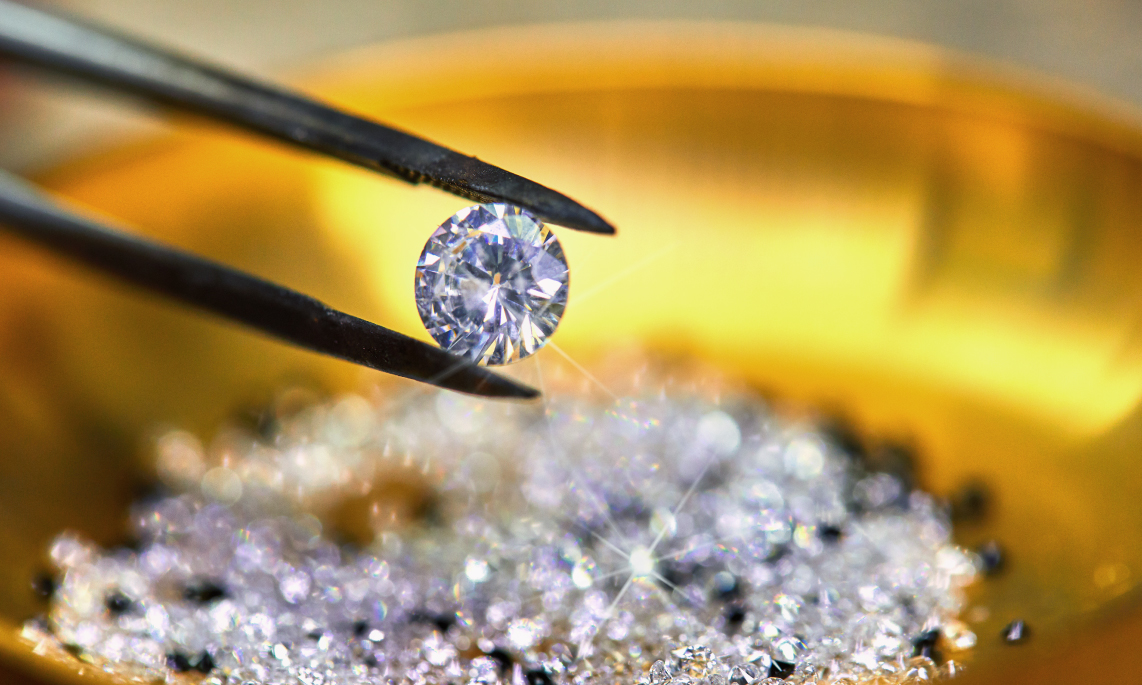


Buying a diamond should not begin with size alone. A heavier stone can look less attractive than a slightly smaller one if its proportions, cut, or shape do not work well with the chosen setting. For shoppers researching diamantes de laboratorio Barcelona, the decision becomes easier when it is divided into three areas: visual quality, ring design, and diamond documentation.
Lab-grown diamonds have the same crystal structure of carbon as natural diamonds. Their main difference is origin. They are created under controlled conditions using technologies such as HPHT or CVD rather than forming naturally beneath the Earth’s surface.
That difference in origin does not remove the need to compare individual stones carefully. Two diamonds with the same carat weight, color, and clarity can still look noticeably different once viewed face-up.
Table of Contents
Cut Deserves More Attention Than Carat Weight Alone
Carat weight tells you how much a diamond weighs, but it does not tell you exactly how large it will appear on the finger.
A stone can carry too much of its weight in its depth. In that case, part of the carat weight sits below the visible surface, which can make the diamond look smaller from above than another stone of similar weight.
For round diamonds, it helps to review diameter, depth, and overall proportions. For elongated shapes such as oval, pear, emerald, and radiant cuts, the length-to-width ratio also deserves attention.
Two oval diamonds weighing 1.50 carats, for example, can have very different outlines. One may look shorter and wider, while another may appear more elongated. Neither is automatically better. The right choice depends on the design of the ring and how the stone looks on the hand.
Different Shapes Distribute Weight Differently
Diamond shape has a direct effect on visual presence:
- Oval diamonds can create a larger face-up appearance for their weight.
- Emerald cuts tend to reveal inclusions more clearly than highly brilliant cuts.
- Pear-shaped diamonds need balanced symmetry to avoid an uneven outline.
- Radiant cuts combine angular edges with a different light pattern from emerald cuts.
- Round brilliant diamonds depend heavily on cut quality for light performance.
Comparing only carat weight and price leaves out some of the most useful information.
Color and Clarity: Spend Where the Difference Is Visible
Paying for the highest possible grade does not always produce a visible improvement that justifies the extra cost.
A diamond with extremely high clarity may look almost identical to one with a slightly lower grade if both appear clean to the naked eye under normal viewing conditions.
Color should also be considered together with the metal used for the setting.
A diamond set in yellow gold may handle slight warmth differently from the same stone mounted in platinum or white gold. Rather than choosing each specification separately, it is often more practical to judge the diamond and setting as one design.
For buyers comparing diamantes de laboratorio Barcelona, one useful question to ask a jeweler is: can the difference between these two grades actually be seen once the stone is mounted?
That question can prevent spending extra on specifications that make little visual difference in the finished ring.
Certification Should Help You Verify the Stone
An independent grading report provides documented information about a specific diamond. It commonly includes details such as carat weight, measurements, color, clarity, and proportions.
It may also contain information about fluorescence and identifying characteristics.
Before placing an order, check:
- that the report number matches the diamond;
- which grading laboratory issued the report;
- the actual measurements of the stone;
- depth and table percentages where relevant;
- clarity grade and the location of inclusions;
- fluorescence details;
- any laser inscription noted on the report.
A grading report cannot tell you whether you will personally like a diamond. Its value is in confirming what you are buying and making comparisons between stones more consistent.
Specialist resources covering lab made diamonds can also be useful during this research stage when comparing available stones, ring styles, and technical specifications before ordering.
The Setting Can Change How a Good Diamond Performs in Real Life
Choosing the diamond first and thinking about the setting later can create practical problems.
A stone positioned high above the finger in a four-prong setting may look striking, but it can also catch more easily on clothing or gloves. Someone who works frequently with their hands may prefer a lower-profile design.
Solitaire, Bezel, and Halo Settings Suit Different Needs
| Setting | Practical Advantage | What to Check |
|---|---|---|
| Solitaire | Keeps the center stone visually open | Prong height |
| Bezel | Protects more of the diamond edge | Amount of stone covered |
| Halo | Creates greater visual presence | Maintenance of small accent stones |
| Pavé | Adds sparkle along the band | Ongoing inspection of small stones |
| Hidden halo | Adds detail from the side | Wedding-band compatibility |
The setting can also affect a future purchase: the wedding band.
Some engagement rings allow a straight wedding band to sit flush against them. Others require a curved or contoured band because of the basket, prongs, or lower structure of the setting.
Thinking about both rings together from the beginning can prevent compatibility issues later.
Barcelona Buyers Should Compare Design and Proportions, Not Just Specifications
Local research can still be valuable even when much of the buying process happens online. Photographs, videos, virtual consultations, and grading reports can narrow the shortlist, but measurements on paper do not always show how a diamond will look on a particular hand.
Before ordering a custom ring, confirm the exact ring size, band width, and expected setting height.
A very slim band can make the center stone appear larger, but it also changes the structural feel of the ring. A wider band creates a different proportion and may suit certain designs better.
It is also worth asking whether the ring can be resized later. Full pavé designs, complex bands, and some structural styles can be harder to alter than a simple solitaire.
Questions Worth Asking Before You Place the Order
A useful comparison of diamantes de laboratorio Barcelona should end with clear buying decisions rather than a long list of specifications.
Before ordering, ask the jeweler:
- Is this diamond eye-clean without magnification?
- Do its proportions support a strong face-up appearance?
- How does its color work with the chosen metal?
- Will a straight wedding band sit flush with the engagement ring?
- What will the approximate height of the setting be?
- Does the grading report match this exact stone?
- Which parts of the ring will need regular maintenance?
- Can the ring size be adjusted later?
These questions help separate a technically impressive diamond from a ring that genuinely suits the wearer. The strongest choice usually comes from balancing visual appearance, documented grading, ring proportions, and practical comfort for everyday wear.