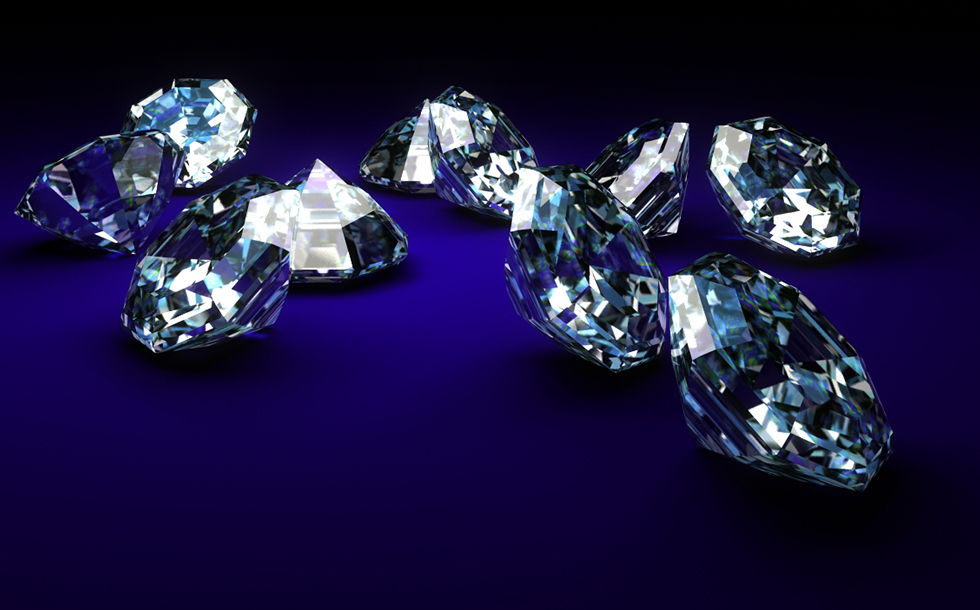


A beautiful necklace has a way of becoming part of someone’s story. It can mark an anniversary, celebrate a personal achievement, become a treasured wedding gift, or simply bring understated brilliance to everyday style. A lab diamond necklace offers that emotional value with a distinctly modern approach to fine jewelry.
For Australian buyers, lab-grown diamond jewelry has opened up new possibilities. Lab-created diamonds offer the same essential beauty people seek in diamond jewelry, while giving shoppers another option when considering origin, value, design, and ethical sourcing.
From a delicate solitaire pendant to a statement tennis necklace, the right piece should feel personal rather than simply impressive. Understanding diamond quality, certification, necklace construction, and craftsmanship makes choosing one much easier.
Table of Contents
What Is a Lab Diamond Necklace?
A lab diamond necklace features diamonds grown in controlled laboratory environments rather than extracted from the earth. These are real diamonds with the same fundamental carbon crystal structure as mined diamonds.
Laboratories commonly create diamonds using Chemical Vapor Deposition (CVD) or High Pressure High Temperature (HPHT) technology. The finished stones can then be cut, polished, graded, and set into fine jewelry.
A lab diamond necklace may feature one central diamond or dozens of individually set stones. Popular designs include:
- Solitaire diamond pendants
- Bezel-set necklaces
- Diamond tennis necklaces
- Halo pendants
- Diamond station necklaces
- Graduated diamond necklaces
- Personalized jewelry with diamond details
This variety makes lab-grown diamonds suitable for minimalist everyday jewelry as well as more elaborate anniversary gifts and bridal jewelry.
Why Australian Jewelry Buyers Are Considering Lab-Grown Diamonds
Fine jewelry purchases have become more considered. Many Australian shoppers want to know how a piece was made, where its materials came from, and whether its design will remain relevant for years.
lab grown diamonds fit naturally into this shift.
They can appeal to buyers interested in transparent diamond certification and alternatives to traditional mining. They also provide considerable design flexibility, which can be particularly attractive when choosing custom engagement rings, wedding bands, necklaces, and other meaningful pieces.
For shoppers researching ethical diamonds or sustainable jewelry, however, it is worth looking beyond broad marketing claims. Environmental impact can vary according to the energy sources and production methods used by individual growers.
A trustworthy jeweler should provide clear information rather than relying on vague sustainability language.
How to Choose the Right Lab Diamond Necklace
A necklace is experienced differently from a ring. Because it is usually viewed from a greater distance, overall proportion and visual presence can matter as much as tiny differences visible on a grading report.
Consider the Diamond Cut First
Cut has a major influence on how lively and brilliant a diamond appears. Well-proportioned facets allow light to interact effectively with the stone.
Round brilliant diamonds remain a classic option, but they are far from the only choice. Oval, pear, emerald, cushion, and marquise cuts can give a necklace a more distinctive character.
An elongated shape, for example, can create an elegant vertical line when used in a pendant.
Balance Color and Clarity
Extremely high color and clarity grades are not automatically necessary for every necklace.
A diamond that looks clean to the unaided eye can offer beautiful visual results without paying for microscopic characteristics that are difficult to notice during normal wear. Metal choice also affects how color is perceived.
White gold and platinum create a cool, crisp appearance. Yellow and rose gold can introduce warmth and contrast.
Check Diamond Certification
For significant center stones, independent diamond certification gives buyers useful information about characteristics such as carat weight, measurements, color, clarity, and other grading details.
Certification should complement, rather than replace, visual assessment and expert guidance.
Comparing Popular Necklace Styles
Different designs create very different effects around the neckline.
| Necklace Style | Visual Character | Particularly Suited To |
|---|---|---|
| Solitaire pendant | Clean and timeless | Everyday fine jewelry |
| Bezel pendant | Modern and streamlined | Active daily wear |
| Halo necklace | Bright and detailed | Gifts and special occasions |
| Tennis necklace | Continuous brilliance | Statement styling |
| Diamond station necklace | Light and refined | Layered looks |
| Custom necklace | Highly personal | Milestones and meaningful gifts |
A solitaire is often the easiest choice for someone who prefers understated jewelry. A tennis necklace creates considerably more presence and works beautifully for formal occasions, celebrations, and elevated evening styling.
Setting and Craftsmanship Matter
Diamond quality attracts attention, but the setting determines how securely and elegantly the stones become wearable jewelry.
Prong settings expose more of a diamond and can create an airy appearance. Bezel settings surround the stone with metal, resulting in a sleek contemporary profile and additional protection around its edge.
The smaller details deserve attention too. Examine the chain construction, clasp, setting symmetry, finishing, and how naturally the necklace sits against the body.
Good jewelry craftsmanship should feel refined from every angle, including areas most people will never notice.
This principle applies throughout fine jewelry collections. Engagement rings, wedding bands, personalized jewelry, and necklaces all benefit from careful construction because luxury is as much about longevity as appearance.
Finding the Right Necklace Length
Length can completely change the character of a necklace.
Shorter necklaces naturally draw attention toward the neck and collarbone. Medium-length chains are versatile and work with many everyday necklines. Longer designs create a more relaxed effect and can be useful for layering.
For a diamond pendant, the chain should also be strong enough for the weight of the stone and setting.
If the necklace is intended as a gift, an adjustable chain can provide extra flexibility. This is especially useful for anniversary gifts, wedding jewelry, and pieces intended to work across different outfits.
Lab Diamond Necklaces as Meaningful Gifts
Diamonds are strongly associated with commitment, but their emotional role extends beyond engagement rings.
A necklace can celebrate a wedding anniversary, birthday, graduation, career milestone, or new chapter in someone’s life. Unlike some highly occasion-specific jewelry, a well-designed diamond necklace can become part of everyday dressing.
Personal details make it even more meaningful. A custom design might incorporate a particular diamond shape, precious metal, engraving, birthstone, or setting inspired by another piece of jewelry.
The aim is not simply to make the piece different. Good customization creates a connection between the jewelry and the person wearing it.
Ethical Sourcing Requires Thoughtful Questions
The term “ethical jewelry” can cover several issues, including labor practices, traceability, mining impacts, manufacturing conditions, and energy use.
Lab-created diamonds remove the need to mine the diamond itself, but responsible purchasing still involves examining the wider supply chain.
Australian buyers interested in ethical sourcing can ask a jeweler about:
- Where its diamonds are grown
- What certification accompanies significant stones
- Where the jewelry is manufactured
- Which precious metals are available
- What information supports sustainability claims
- What warranties, resizing, repair, or aftercare services are offered
These questions help separate specific, verifiable information from broad marketing language.
Choosing a Piece That Will Last Beyond Trends
Fine jewelry earns its place in a collection through wear, not simply through its first impression.
Before choosing a lab diamond necklace, consider how it will fit into an existing wardrobe. Someone who wears simple jewelry every day may appreciate a refined solitaire more than an elaborate statement piece. A buyer building a coordinated bridal jewelry collection may prefer a design that complements their engagement ring and wedding band.
Australia and New Zealand both have strong contemporary jewelry markets where modern design increasingly sits alongside traditional ideas of luxury. That makes versatility especially valuable.
A thoughtfully chosen necklace can move naturally between casual clothing, professional dressing, weddings, dinners, and milestone celebrations. With strong craftsmanship, appropriate diamond certification, considered proportions, and a design that reflects personal taste, lab-grown diamond jewelry can become something far more meaningful than a trend-driven purchase.