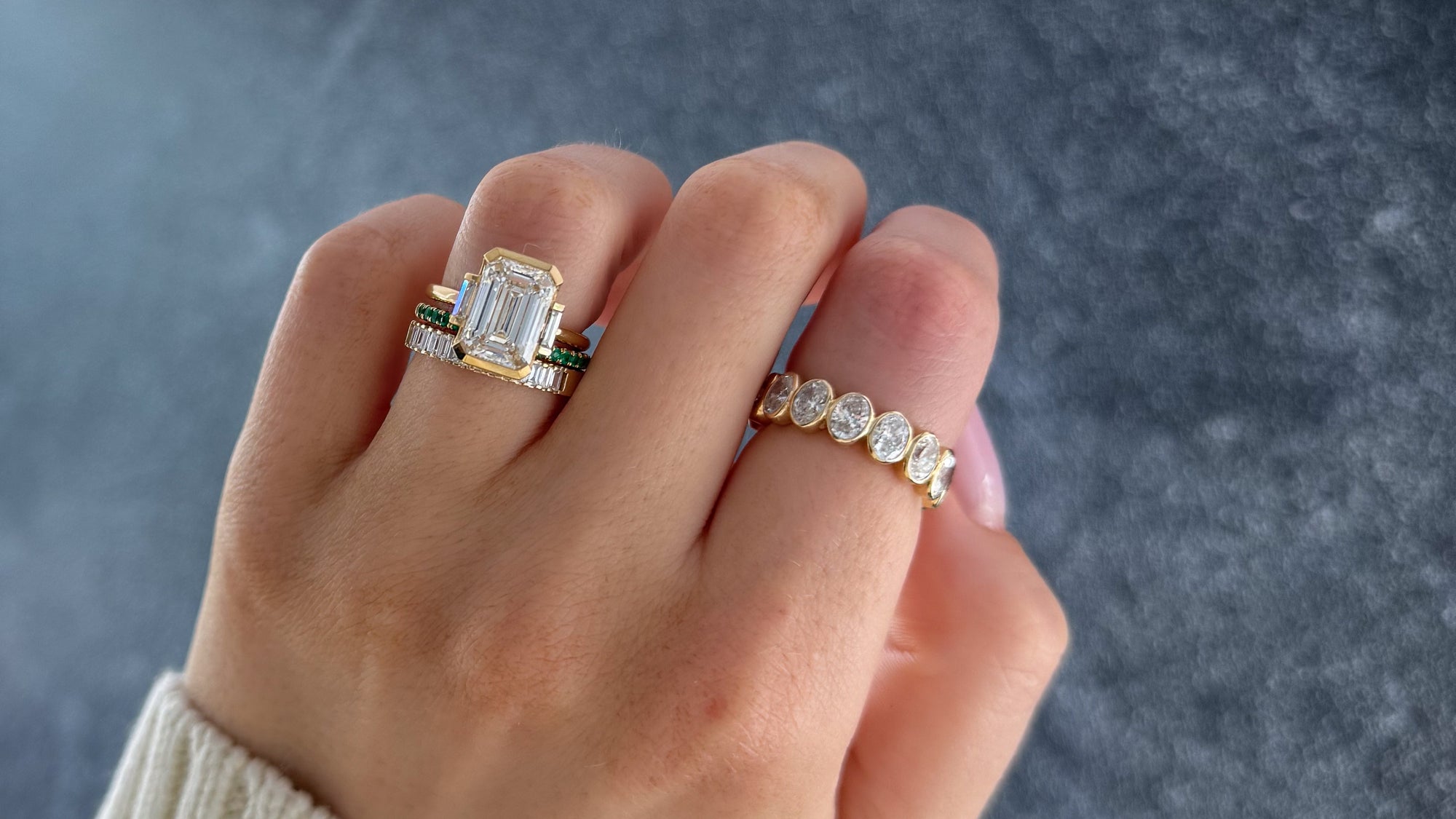


A few weekends ago, I found myself at a jewellery showcase in Sydney’s inner west — the kind where you sip on organic prosecco while peering at diamonds so bright they could probably power a small city.
But here’s the twist: almost every gem in the room was lab grown. Not mined, not dug out of the earth by heavy machinery — but created, molecule by molecule, inside spotless laboratories.
Now, if you’ve started exploring the world of lab made diamonds yourself, you’ve probably come across three letters that keep popping up — IGI and GIA. These aren’t jewellery brands. They’re the major grading authorities that decide how a diamond’s quality, value, and authenticity are officially recognised.
And honestly, the debate around IGI vs GIA lab grown diamonds is one of the most misunderstood topics in the jewellery world. Even some jewellers can’t agree on which is “better.”
So, let’s break it down — with no fluff, no jargon, just a straightforward look at what matters when you’re buying something meant to last a lifetime.
Table of Contents
What Exactly Are Lab Grown Diamonds (and Why Everyone’s Talking About Them)
You might not know this, but lab grown diamonds are chemically and visually identical to mined ones. The only real difference is where they’re formed. Instead of spending millions of years underground, they’re created in highly controlled labs using two advanced techniques: HPHT (High Pressure High Temperature) or CVD (Chemical Vapour Deposition).
And before you picture someone “manufacturing” fake gems — stop right there. These aren’t simulants like cubic zirconia or moissanite. They’re 100% real diamonds. Same sparkle. Same durability. Same ability to make someone’s eyes widen when they open that little velvet box.
What makes lab grown stones fascinating (and, let’s be honest, a bit controversial) is how they disrupt the traditional diamond industry. They’re typically 30–40% cheaper, conflict-free, and far more transparent in sourcing. That’s probably why more Aussies — especially couples in their 20s and 30s — are choosing them for engagement rings.
If you’re still weighing up whether lab grown diamonds are for you, this guide from lab made diamonds offers a great overview of how to choose a ring she’ll actually love (and not just because it’s trendy).
Why Diamond Certification Matters (More Than You’d Think)
Here’s the thing — a diamond, whether lab grown or mined, is only as valuable as its certification.
Think of it like a birth certificate for your gem. It verifies that the stone has been independently assessed for the “4Cs”: cut, colour, clarity, and carat weight. But the big catch is who does that grading — because not all labs judge by the same standards.
That’s where GIA (Gemological Institute of America) and IGI (International Gemological Institute) come into play.
Both have been around for decades. Both are trusted names in the diamond world. But they differ in reputation, grading methodology, and even philosophy — especially when it comes to lab grown stones.
GIA: The Classic Purist
The GIA is like the Oxford University of diamond grading. Established in 1931, it’s known for creating the 4C system itself and for setting the gold standard across the jewellery trade.
For years, though, GIA was reluctant to fully embrace lab grown diamonds. When they first started grading them, the reports looked a bit different — they’d avoid using “natural” diamond terminology, and some jewellers felt the tone was, well, slightly condescending.
But times have changed. GIA now issues full grading reports for lab grown diamonds, using the same scale they apply to mined stones. Their credibility in the industry is unmatched, and a GIA certificate often adds reassurance for more traditional buyers.
The flip side? Because of their conservative approach, GIA reports can take longer to process and sometimes cost a little more.
IGI: The Early Adopter
The IGI took a very different path. When lab grown diamonds started making waves, IGI jumped on board quickly — grading and certifying them long before GIA made it mainstream.
That early adoption helped IGI dominate the lab-grown market. Today, most of the world’s top lab-grown diamond retailers use IGI certification because it’s reliable, detailed, and faster to obtain.
IGI’s grading standards are generally seen as slightly more lenient than GIA’s — not in a bad way, just a touch more flexible. For instance, a diamond graded “F” colour by IGI might be a “G” or “H” under GIA’s stricter eye. But in real life, the visual difference is barely noticeable without lab equipment.
IGI vs GIA Lab Grown: Which One’s Better for You?
Alright, so here’s the real question everyone asks: Which one should I choose?
If you’re after resale value, prestige, and that feeling of buying something “officially traditional,” GIA might be the better option. A GIA certificate carries huge weight, especially in the resale and investment market.
But if your focus is modern design, affordability, and sustainability — or you’re buying a lab grown diamond because you love what it stands for — IGI-certified stones offer incredible quality with a quicker turnaround and often a lower price point.
To be clear, neither is “better” across the board. It’s about matching your priorities to what each lab represents.
A great side-by-side breakdown can be found in this in-depth comparison on igi vs gia lab grown — a genuinely helpful read if you want to see the nuances between grading reports, pricing, and long-term value.
Why This Debate Matters More Than Ever
Let’s zoom out for a second. This isn’t just a technical argument between two certification bodies. It’s part of a much bigger story — how our values as consumers are changing.
The diamond industry was built on tradition, prestige, and a fair amount of mystery. For decades, buyers rarely questioned where their stones came from or how pricing was determined.
But today’s customers — especially younger Australians — care deeply about sustainability and transparency. They want to know that their purchase doesn’t come at the cost of environmental damage or ethical compromise.
So when you think about IGI vs GIA lab grown, it’s not just a question of certification. It’s a reflection of how we, as a society, are redefining luxury.
The Shift in Australian Jewellery Culture
Five years ago, most Aussie jewellers would’ve scoffed at the idea of a “man-made diamond.” It just sounded… off. But fast forward to now, and the conversation has flipped.
In places like Melbourne, Sydney, and Brisbane, boutique jewellers are leading the charge toward lab made collections. These pieces are still designed with the same craftsmanship and care — they just carry a lighter footprint and often a stronger story.
One Sydney jeweller I spoke to told me something that stuck: “People don’t just want sparkle. They want meaning. They want to know their ring didn’t harm a soul.”
It’s a powerful shift — and one that’s forcing even legacy brands to rethink their supply chains.
What to Watch for When Buying Lab Grown Diamonds
If you’re seriously considering buying one (or just love a bit of sparkle research), here are a few real-world tips that might help:
1. Always ask for the certificate.
Whether IGI or GIA, the grading report is your proof of authenticity. Don’t settle for anything less.
2. Check the inscription.
Most lab grown diamonds are laser-inscribed on the girdle with the lab name and report number. It’s tiny, but it’s there.
3. Compare the visual, not just the paper.
An “F” colour from IGI and a “G” from GIA might look virtually identical to the naked eye. Don’t get lost in technicalities — trust your eyes, too.
4. Understand what you’re paying for.
With lab grown diamonds, you’re paying for beauty, sustainability, and craftsmanship — not scarcity. It’s a different mindset entirely.
A Quick Word on Resale and Longevity
There’s a bit of a myth floating around that lab grown diamonds “don’t hold their value.” While it’s true that resale markets are still developing, it’s worth remembering that most people don’t buy engagement rings as investments.
They buy them as symbols. Of love, commitment, and — increasingly — conscious choice.
That said, as the secondary market matures and more jewellers accept trade-ins, the gap between lab grown and natural resale values will likely narrow.
And honestly? If your diamond makes your heart skip a beat every time you glance at it, that’s a return on investment no chart can measure.
Final Thoughts: Beyond the Certificate
After spending a few weeks diving into this topic — talking to jewellers, gemologists, and even a few newly engaged couples — I’ve realised something. The IGI vs GIA lab grown debate isn’t about who’s right or wrong. It’s about what kind of buyer you are.
If you crave prestige, go with GIA.
If you value innovation and sustainability, IGI might be your perfect match.
And if you’re like most of us — balancing beauty, ethics, and budget — either certification will give you a diamond you can wear proudly.
Because at the end of the day, it’s not the logo on the report that makes your diamond meaningful. It’s the story behind it — who you bought it for, what it symbolises, and how it reflects your own values.