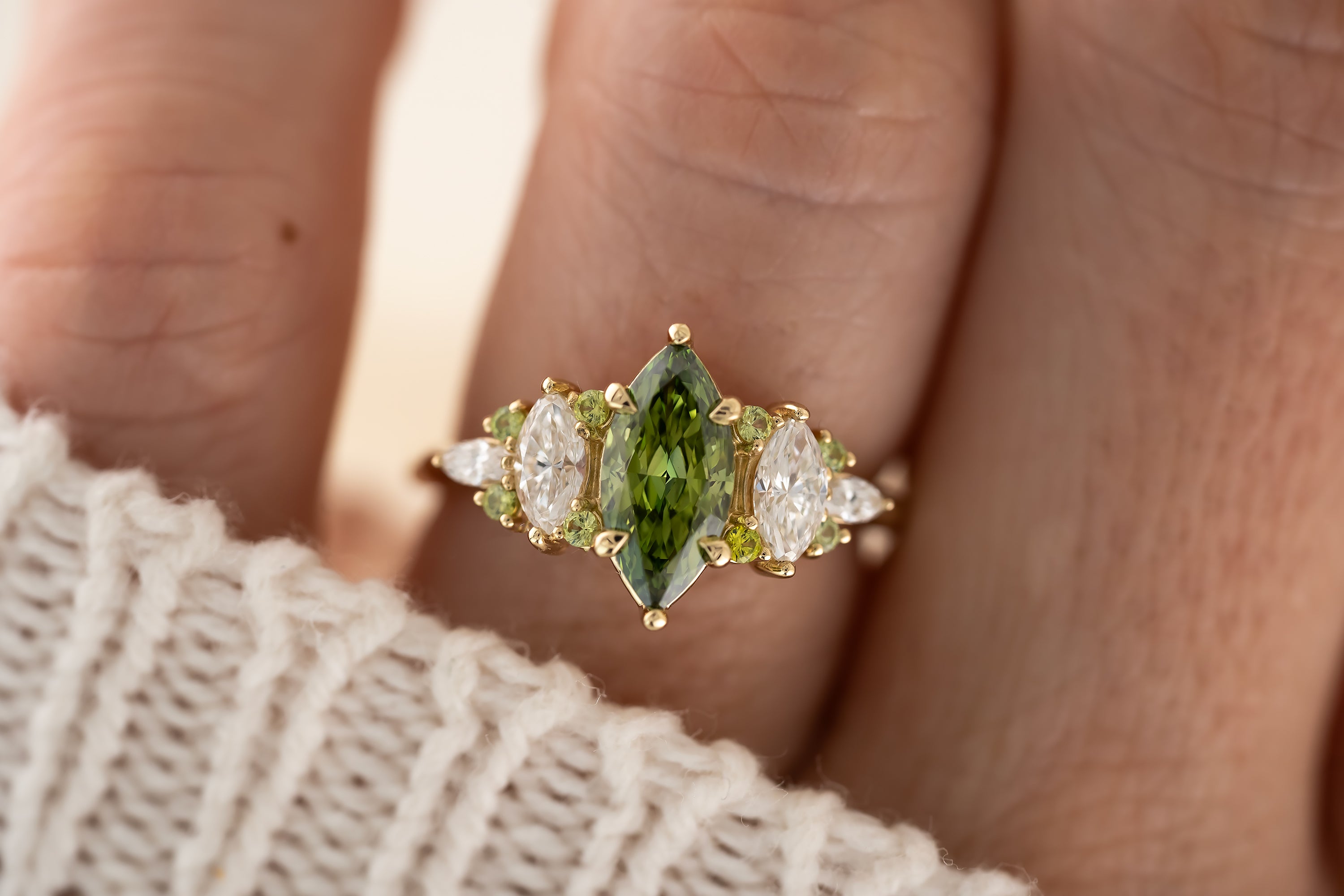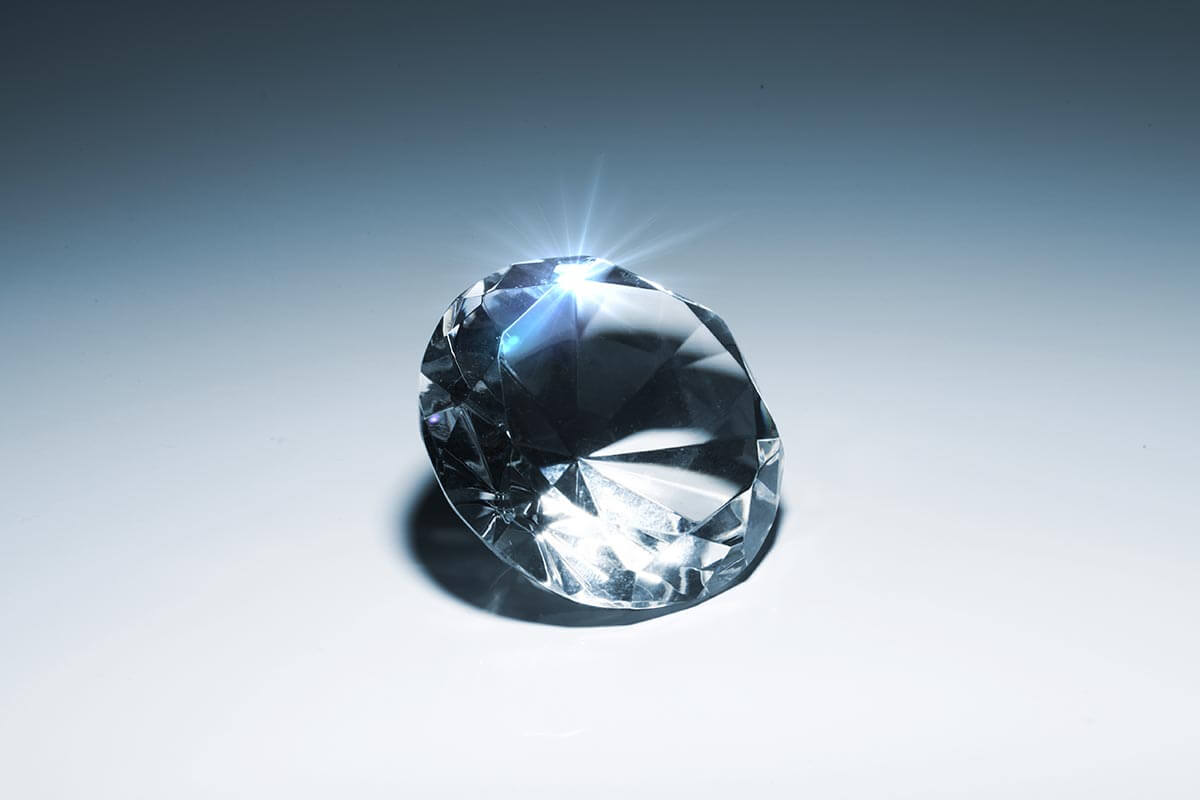


Diamonds have long captivated humanity, symbolizing love, status, and timeless beauty. Whether adorning an engagement ring, a necklace, or a bracelet, these gemstones carry both emotional and financial significance. In recent years, however, the jewelry world has seen a notable shift. Lab grown diamonds, sometimes referred to as synthetic or cultured diamonds, are emerging as a popular alternative to traditional, mined stones. Understanding the distinctions between lab grown and natural diamonds is essential for consumers who want both value and authenticity.
Table of Contents
What Are Lab Grown Diamonds?
Lab grown vs natural diamonds are chemically, physically, and optically identical to diamonds found in nature. They are created in controlled laboratory environments using advanced technological processes, primarily High Pressure High Temperature (HPHT) and Chemical Vapor Deposition (CVD). These methods replicate the natural conditions under which diamonds form deep within the Earth, but in a fraction of the time—typically weeks rather than millions of years.
HPHT involves simulating the intense pressure and temperature that occur naturally in the Earth’s mantle. Carbon is transformed into a diamond crystal as it cools. CVD, on the other hand, uses a carbon-rich gas mixture that deposits layers of diamond onto a substrate. Both techniques yield gems that are virtually indistinguishable from their natural counterparts, with the same brilliance, hardness, and chemical structure.
One of the significant advantages of lab made diamonds is their traceable origin. Unlike mined diamonds, which often pass through complex supply chains, lab grown diamonds can be directly traced to the laboratory where they were created. This transparency is appealing to consumers concerned about ethical sourcing and conflict-free jewelry.
Natural Diamonds: A Geological Marvel
Natural diamonds form over millions, sometimes billions, of years under extreme heat and pressure deep within the Earth’s crust. They are brought to the surface through volcanic activity, making their journey from deep within the Earth both fascinating and rare. This natural origin contributes to their perception as a symbol of enduring beauty and rarity.
The mining process, however, comes with challenges. Extracting diamonds from the Earth is resource-intensive, often involving significant environmental impact. Water usage, land disruption, and carbon emissions are unavoidable byproducts of mining operations. Additionally, while modern regulations have improved ethical standards, some regions still struggle with labor issues and “conflict diamonds”—stones mined under conditions that fund violence or exploit workers.
Despite these concerns, natural diamonds maintain a longstanding allure. Their geological journey, historical significance, and rarity create an emotional and monetary value that many buyers find compelling.
Comparing Quality and Appearance
When it comes to appearance, lab grown and natural diamonds are nearly identical. Both types are graded according to the same criteria: the Four Cs—cut, clarity, color, and carat weight. A well-cut lab grown diamond can sparkle just as brilliantly as a natural diamond of similar quality.
One area where lab grown diamonds sometimes differ is inclusions. Natural diamonds often have small internal flaws or mineral traces that reflect their formation over millions of years. Lab grown diamonds tend to have fewer inclusions, though some growth patterns unique to the lab environment can be detected under magnification. Importantly, these differences do not affect the stone’s durability or visual appeal.
Cost Considerations
Price is one of the most significant factors influencing consumer choice. Lab made diamonds typically cost 20–40% less than comparable natural stones. This price difference can allow buyers to purchase larger or higher-quality diamonds within the same budget. The reduced cost is largely due to the efficiency and predictability of laboratory production, as opposed to the labor, exploration, and extraction costs associated with mining.
However, resale value remains a point of distinction. Natural diamonds have historically maintained a stronger secondary market value, whereas lab grown diamonds tend to depreciate more quickly. For buyers primarily motivated by long-term investment potential, this may be a consideration.
Ethical and Environmental Impact
For environmentally conscious buyers, lab grown diamonds present a compelling advantage. Producing a diamond in a lab requires far less water and energy than traditional mining and avoids land degradation. Additionally, because lab made diamonds can be certified as conflict-free, they eliminate the ethical dilemmas sometimes associated with mined diamonds.
Some critics argue that laboratory production still consumes energy and may rely on non-renewable sources, so the environmental impact isn’t entirely negligible. Nonetheless, when compared to large-scale mining operations, lab grown diamonds generally represent a more sustainable choice.
Making the Choice
Choosing between a lab grown or natural diamond depends on personal values, budget, and the intended purpose of the gemstone. If ethical sourcing, lower cost, and sustainability are priorities, lab grown diamonds offer a practical and beautiful alternative. For those who value geological rarity, historical significance, or long-term resale potential, natural diamonds remain unmatched.
Ultimately, both types of diamonds provide the same stunning beauty and durability. As technology continues to advance, lab grown diamonds are becoming increasingly indistinguishable from mined stones, offering consumers a wider range of options without compromising on quality or aesthetics.
Conclusion
The debate between lab grown and natural diamonds is less about superiority and more about alignment with individual priorities. Lab made diamonds provide an ethical, cost-effective, and environmentally friendly alternative, while natural diamonds offer centuries of tradition, rarity, and long-established value. Understanding the differences allows buyers to make informed decisions, ensuring that their choice of diamond reflects both their personal style and their principles. Whether choosing a diamond grown in a lab or mined from the Earth, what remains timeless is the joy and meaning these sparkling gems bring to life’s most special moments.